

Operational Excellence Vs Employee Well-being: Which Is Better For Your Business Growth?
- saafir.jenkins

- Dec 11, 2025
- 5 min read
The question itself reveals a fundamental misunderstanding that's costing organizations millions in lost productivity, talent retention, and competitive advantage. The premise that you must choose between operational excellence and employee well-being represents a false dichotomy that's destroying value in boardrooms across America.
Here's the strategic reality: organizations that pit these critical business drivers against each other are systematically underperforming those that recognize them as complementary forces that amplify each other's impact on the bottom line.
The Strategic Miscalculation Behind the "Either-Or" Mindset
Most executives fall into this trap because they're measuring the wrong metrics at the wrong intervals. Operational excellence shows immediate, quantifiable returns: reduced costs, improved cycle times, higher output. Employee well-being initiatives appear as line items on the expense side of the ledger with benefits that materialize over quarters, not weeks.
This short-term thinking creates a dangerous blind spot. When you optimize processes without considering human capital sustainability, you're essentially borrowing future performance to inflate current metrics. The bill always comes due: through turnover costs, quality degradation, safety incidents, and innovation stagnation.
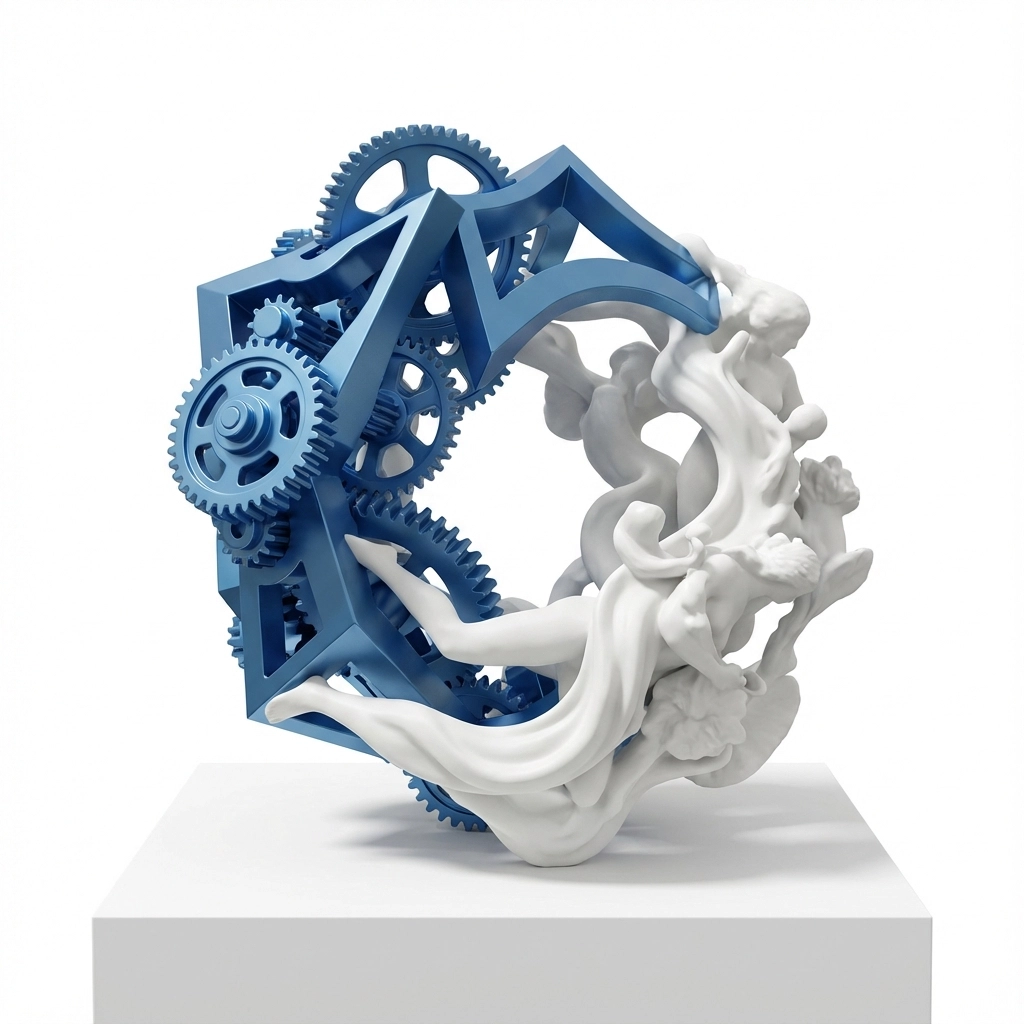
The Business Case for Integration: What the Data Actually Shows
Organizations that successfully integrate operational excellence with employee well-being consistently outperform their peers across every meaningful business metric:
Financial Performance: Companies with highly engaged workforces show 23% higher profitability and 12% better customer metrics compared to those focused solely on process optimization without employee consideration.
Operational Resilience: When you build operational excellence on a foundation of employee well-being, your systems become antifragile: they don't just withstand disruption, they improve from it. Engaged employees proactively identify problems, suggest improvements, and maintain quality standards even under pressure.
Innovation Capacity: Operational excellence without employee engagement creates compliance-oriented cultures that execute existing processes efficiently but struggle to reimagine them. The most innovative operational improvements come from front-line workers who feel psychologically safe to challenge status quo thinking.
Framework 1: The Integrated Performance Architecture
The most successful organizations we work with use what we call the Integrated Performance Architecture: a strategic framework that treats operational excellence and employee well-being as interconnected systems rather than competing priorities.
The Four Pillars of Integration
Purpose Alignment: Every operational metric connects to a human outcome. When employees understand how their efficiency improvements directly impact customer satisfaction, community benefit, or organizational mission, productivity increases become intrinsically motivated rather than externally imposed.
Process Design with Human Factors: Build ergonomics, cognitive load management, and skill development opportunities into your operational improvements. This isn't about making work easier: it's about making sustainable performance improvements that compound over time.
Feedback Loop Architecture: Create real-time visibility between individual performance, team outcomes, and organizational goals. Employees who can see how their contributions drive business results demonstrate 40% higher engagement than those operating blind to their impact.
Continuous Development Integration: Link skill development directly to operational improvements. When employees grow their capabilities in service of business objectives, you create a workforce that's simultaneously more valuable to your organization and more satisfied with their career trajectory.

Framework 2: The Strategic Sequencing Model
The timing and sequencing of your integration efforts determines their success. Most organizations fail because they treat these initiatives as parallel tracks rather than carefully orchestrated sequence of mutually reinforcing changes.
Phase 1: Foundation Setting (Months 1-3)
Establish psychological safety and communication infrastructure before implementing operational changes. Employees who trust leadership and understand the strategic context adapt more quickly to process improvements.
Phase 2: Collaborative Improvement (Months 4-9)
Engage employees as partners in operational excellence initiatives. Those closest to the work often have the most valuable insights about sustainable improvements. This phase builds both better processes and stronger employee investment in outcomes.
Phase 3: Performance Optimization (Months 10-18)
With engagement and improved processes established, push for higher performance standards. Employees who've been partners in creating new systems will drive toward excellence in ways that external pressure never achieves.
Phase 4: Innovation Acceleration (Months 19+)
Leverage your engaged, high-performing culture to continuously reinvent your operational capabilities. This is where organizations separate themselves from competitors who remain stuck in the either-or mindset.
The ROI Reality: What Integration Actually Costs and Returns
Let's address the resource allocation question directly. Executives often assume that investing in both operational excellence and employee well-being doubles their improvement costs. The opposite is true.

Reduced Implementation Costs: Employees who understand and support operational changes require 60% less management oversight during implementation. Change management costs plummet when workforce engagement is high.
Accelerated Time-to-Value: Integrated approaches reach performance targets 40% faster than purely process-focused initiatives because you're working with human behavior rather than against it.
Sustainability Multiplier: Process improvements implemented with employee buy-in sustain 85% of their gains after two years. Those imposed without engagement typically regress to 50% of initial improvements.
Risk Mitigation: The combination approach dramatically reduces the risk of implementation failure, safety incidents, and quality degradation that often accompanies aggressive operational changes.
Industry-Specific Implementation Strategies
Manufacturing and Production: Focus on ergonomic process design and cross-training opportunities. Employees who can rotate between stations maintain better physical health and provide operational flexibility during demand fluctuations.
Service Organizations: Implement customer service metrics that reward both efficiency and quality outcomes. Develop career progression paths that allow high performers to move between operational and strategic roles.
Technology Companies: Create operational excellence frameworks that include innovation time and learning opportunities. Balance sprint completion metrics with team satisfaction and burnout prevention measures.
Healthcare Organizations: Integrate patient outcome metrics with staff well-being indicators. The correlation between caregiver engagement and patient satisfaction provides natural alignment between operational and human priorities.
The Competitive Advantage Framework
Organizations that master this integration create sustainable competitive moats that competitors cannot easily replicate. It's relatively simple to copy a process improvement or implement a wellness program. It's extraordinarily difficult to replicate a culture where operational excellence and employee well-being reinforce each other naturally.

This integrated approach creates what we call Compound Organizational Advantage:
Talent Attraction: Top performers gravitate toward organizations known for both high performance and employee development
Innovation Velocity: Engaged employees generate 3x more improvement suggestions that actually get implemented
Customer Loyalty: Organizations with engaged workforces consistently deliver more consistent, higher-quality customer experiences
Financial Resilience: The combination creates more robust profit margins that withstand economic pressures better than cost-cutting alone
Implementation Roadmap: Where to Start Monday Morning
Week 1: Audit your current metrics. Identify where operational metrics might be creating employee well-being challenges or where well-being initiatives aren't connecting to business outcomes.
Week 2: Convene cross-functional teams that include both operational and HR leadership. Map the connections between your efficiency targets and employee experience.
Week 3: Design pilot programs that simultaneously address an operational challenge and an employee well-being opportunity. Start small but measure both types of outcomes.
Month 2: Expand successful pilots and begin communicating the integrated approach throughout the organization. Help employees understand how their well-being and business success connect.
Month 3: Adjust performance management systems to reflect both operational and engagement metrics for managers at all levels.
The evidence is overwhelming: organizations that continue to treat operational excellence and employee well-being as competing priorities are systematically disadvantaging themselves against competitors who've recognized these as complementary strategic drivers.
The question isn't which one is better for business growth. The question is how quickly you can integrate them to capture the competitive advantage that comes from getting both right simultaneously.
Ready to build an integrated performance architecture that drives both operational excellence and employee well-being? Contact our team to discuss how we can help you design and implement a strategic approach that delivers measurable results in both areas.
Comments