

Operational Excellence vs Employee Well-Being: Do You Really Need Both for Sustainable Growth?
- saafir.jenkins

- Jan 9
- 4 min read
The question haunting executive boardrooms isn't whether to pursue operational excellence or prioritize employee well-being: it's why so many leaders still view these as competing priorities. This false dichotomy is costing organizations millions in lost productivity, turnover expenses, and missed growth opportunities.
Here's the strategic reality: operational excellence and employee well-being are not opposing forces. They're interdependent drivers of sustainable competitive advantage. Companies that master this integration don't just survive: they dominate their markets with 40% fewer safety incidents, 37% less absenteeism, and productivity gains exceeding 20%.
The Costly Myth of Either/Or Thinking
Most executives fall into the trap of treating operational excellence and employee well-being as separate budget line items. This compartmentalized thinking creates systemic inefficiencies that undermine both objectives.
When organizations pursue operational efficiency at the expense of employee well-being, they trigger a cascade of negative outcomes:
Increased turnover costs averaging $15,000 per departing employee
Reduced innovation capacity as stressed employees become risk-averse
Quality degradation from disengaged workers cutting corners
Safety incidents that generate liability and operational disruptions
Conversely, companies that focus solely on well-being initiatives without operational rigor often struggle with:
Unclear performance expectations that frustrate high performers
Resource waste from inefficient processes
Market competitiveness issues stemming from operational lag
The strategic imperative is clear: sustainable growth requires both elements working in concert.

The Business Case for Strategic Integration
High-performing organizations understand that operational excellence systems inherently prioritize employee well-being as a foundational component. This isn't corporate philanthropy: it's strategic business optimization.
Consider the measurable impact when these elements align:
Financial Performance Indicators
Productivity increases of 20-25% when employees feel physically, mentally, and emotionally supported
Profitability improvements directly correlated with engagement levels
Customer satisfaction scores that rise with employee satisfaction metrics
Market share growth supported by operational consistency and innovation
Operational Resilience Metrics
Quality defect reduction exceeding 40% in integrated systems
Safety incident prevention through engaged workforce participation
Process improvement velocity accelerated by employee-driven insights
Adaptability enhancement as satisfied employees embrace change initiatives
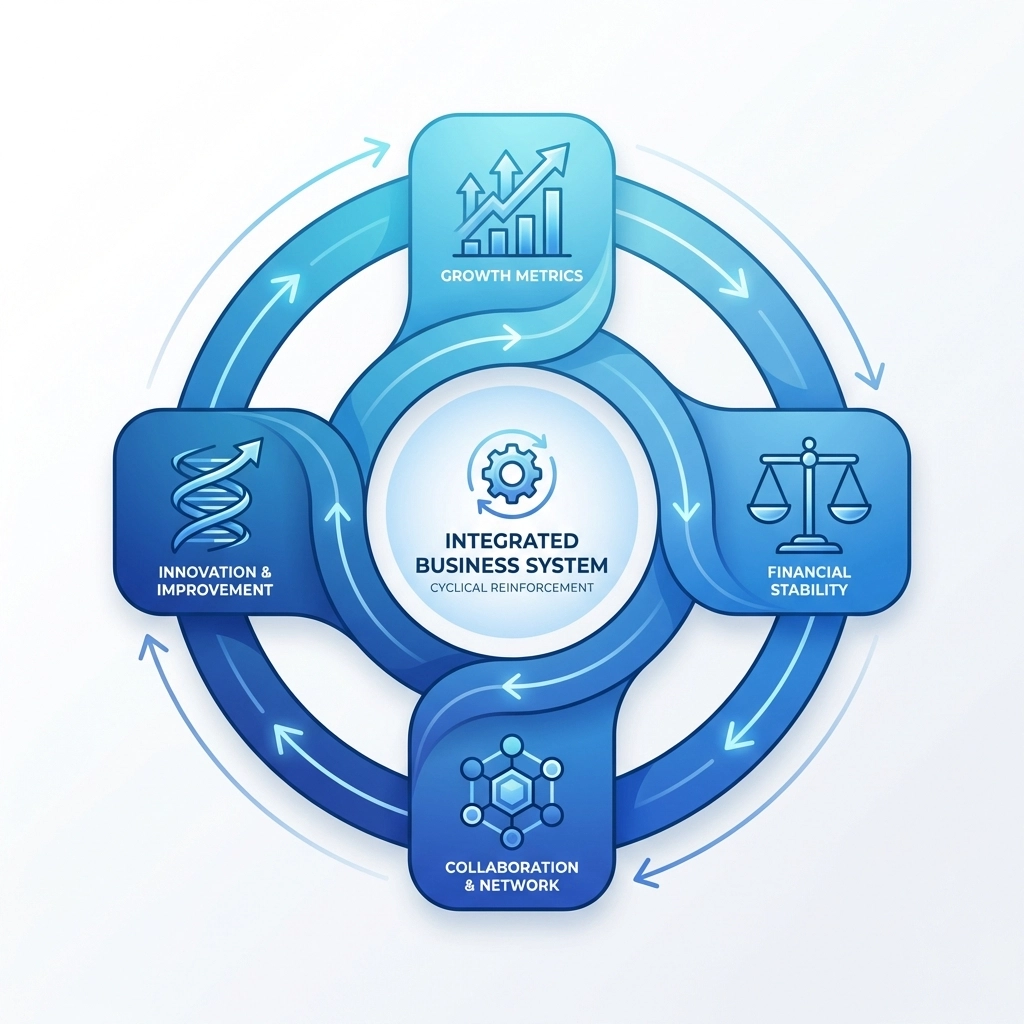
The bidirectional relationship creates a multiplier effect: higher employee satisfaction leads to reduced turnover, proactive problem-solving, and improved safety: each contributing directly to operational excellence.
The Strategic Integration Framework
Implement this four-phase framework to transform competing priorities into competitive advantage:
Phase 1: Foundational Alignment
Establish safety and well-being as operational excellence prerequisites. This means:
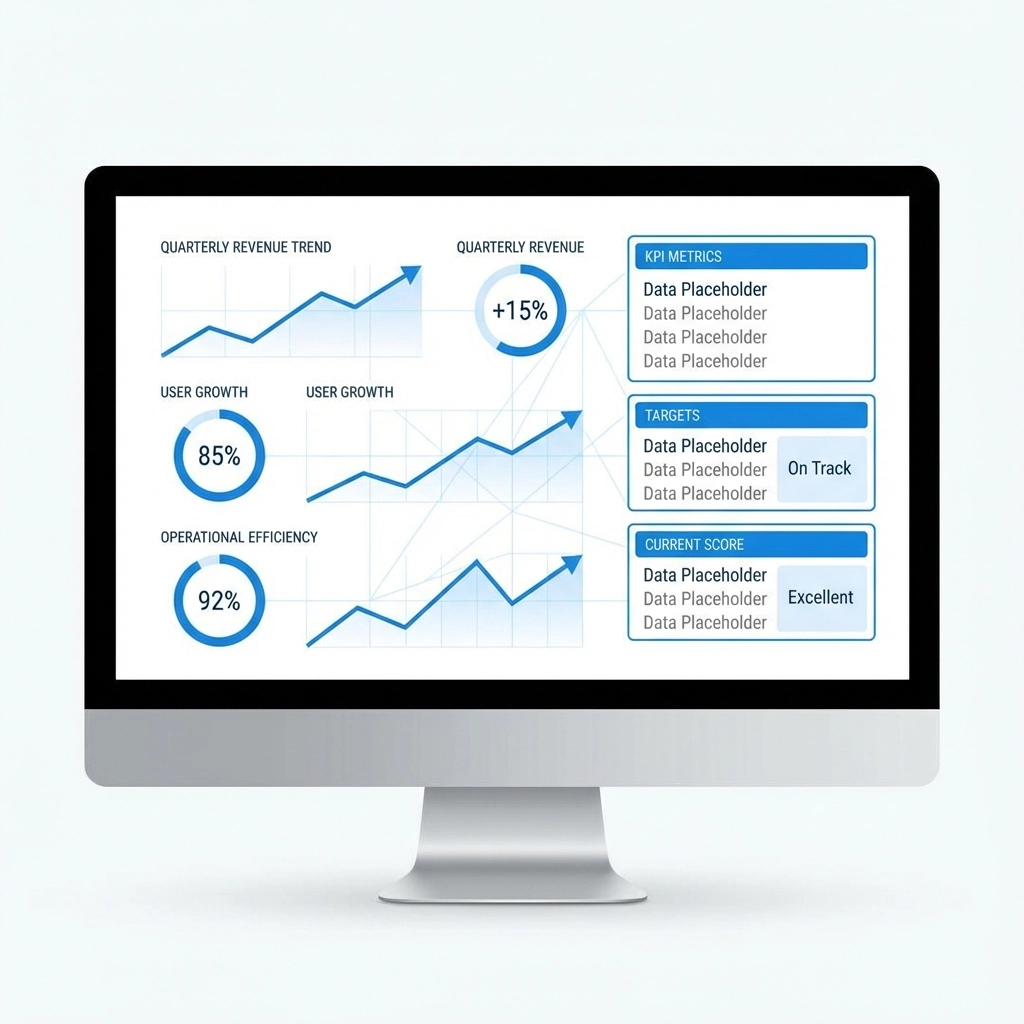
Integrate well-being metrics into operational dashboards
Train managers to recognize well-being as performance enabler
Design processes that support both efficiency and employee health
Allocate resources for dual-purpose initiatives
Phase 2: Systems Integration
Embed well-being considerations into every operational process:
Workload distribution algorithms that prevent burnout while maintaining output
Quality control systems that empower rather than punish
Continuous improvement programs that value employee input
Technology implementations that enhance rather than burden workflow
Phase 3: Cultural Reinforcement
Create organizational conditions where excellence and well-being reinforce each other:
Recognition programs that celebrate both performance and peer support
Leadership development emphasizing human-centered operational practices
Communication systems that provide transparency and control
Career pathways that align individual growth with operational needs
Phase 4: Performance Optimization
Leverage the integrated system for sustained competitive advantage:
Predictive analytics combining well-being and operational data
Strategic workforce planning that anticipates capacity and capability needs
Innovation acceleration through engaged employee contributions
Market responsiveness enabled by resilient, adaptable teams
Measuring Integrated Success
Traditional metrics often miss the interconnected value creation. Implement these strategic measurement approaches:
Leading Indicators
Employee engagement depth beyond surface-level satisfaction surveys
Process improvement suggestions generated per employee annually
Cross-training participation rates indicating investment in growth
Safety near-miss reporting showing trust and proactive communication
Lagging Indicators
Customer lifetime value improvements linked to service consistency
Market share growth correlated with operational reliability
Innovation pipeline strength measured by employee-generated ideas
Financial performance benchmarked against industry standards
Implementation Roadmap for Executive Teams
Transform your organization with this strategic sequence:
Month 1-2: Assessment and Baseline
Conduct comprehensive organizational audit examining current operational excellence initiatives and employee well-being programs. Identify integration opportunities where synergies already exist or can be created.
Month 3-4: Framework Design
Develop integrated policies and procedures that support both objectives. Train leadership teams on the strategic rationale and implementation approaches.
Month 5-8: Pilot Implementation
Launch integrated initiatives in selected departments or processes. Monitor closely for both operational and well-being outcomes. Adjust approaches based on real-time feedback.
Month 9-12: Organization-wide Deployment
Scale successful pilot programs across the enterprise. Embed new metrics into executive dashboards and performance management systems.
The Strategic Imperative
The question isn't whether you need both operational excellence and employee well-being for sustainable growth: it's whether you can afford to pursue either one without the other.
Organizations that continue treating these as competing priorities will find themselves outpaced by competitors who understand the multiplier effect of integration. The companies winning in today's market aren't choosing between efficiency and humanity: they're leveraging both to create unstoppable competitive advantages.
Your move: Begin by auditing your current operational excellence initiatives for well-being integration opportunities. The quickest wins often come from reframing existing programs rather than creating new ones.
Ready to transform competing priorities into competitive advantage? Contact our team at Optimum Human Centered Solutions to develop your integrated operational excellence and employee well-being strategy.
Comments