

Are Degrees Dead? Why Skills-First Talent Development Is Winning in 2026
- saafir.jenkins

- Jan 16
- 5 min read
Here's the uncomfortable truth: that four-year degree requirement in your job postings is costing you top talent. In 2026, 70% of employers have already shifted to skills-based hiring practices: and the results are impossible to ignore. Mis-hires are down, time-to-fill is shrinking, and companies are finally accessing the diverse talent pools they've been missing for decades.
So are degrees dead? Not exactly. But they've been demoted from the main event to a supporting role. Let's break down what this shift means for your talent development strategy and how you can get ahead of it.
The Numbers Don't Lie: Skills-Based Hiring Is Dominating
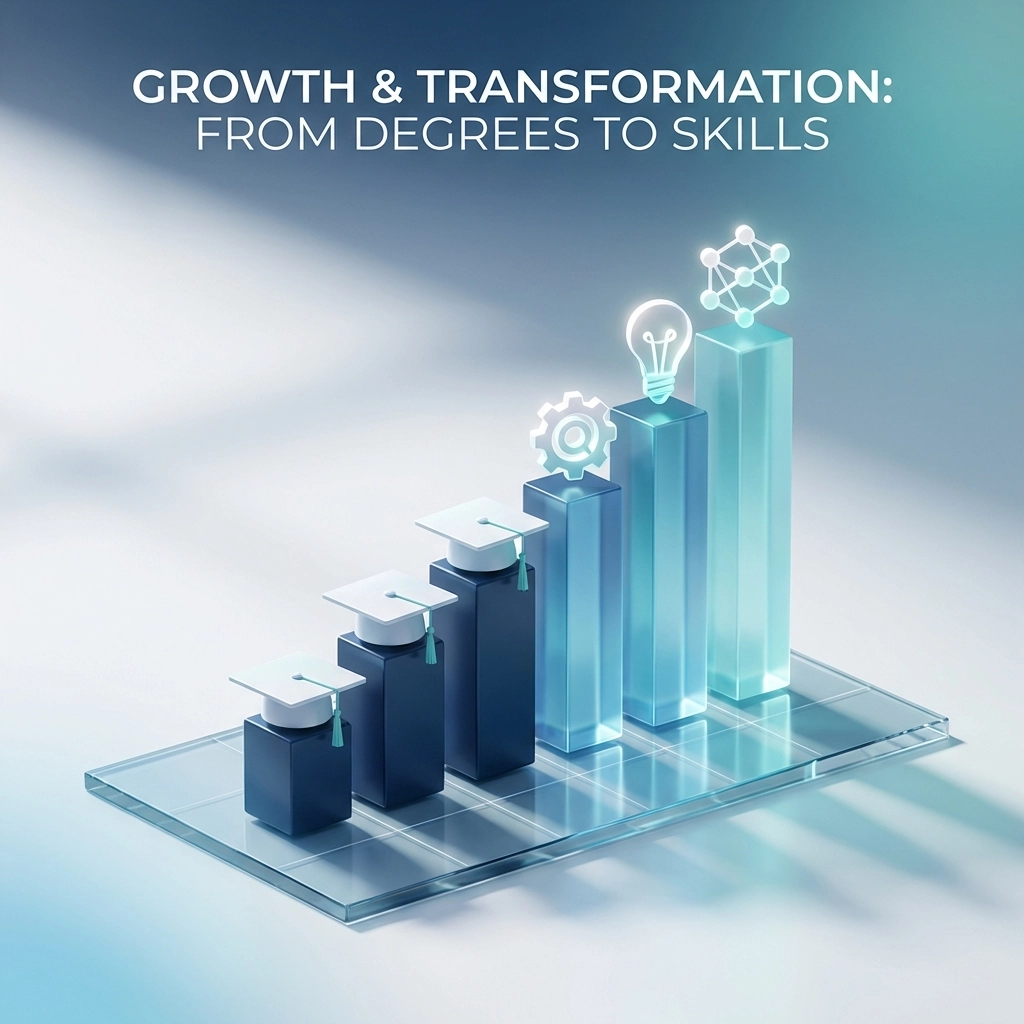
The transition from degree-focused to skills-first hiring isn't a trend: it's a fundamental restructuring of how organizations evaluate talent. Consider the trajectory:
2020: Approximately 40% of companies used skills-based hiring
2024: That number jumped to 60%
2026: Now 85% of employers have adopted skills-based approaches overall
Google, Microsoft, IBM, and Apple have all eliminated long-held degree requirements. These aren't startups experimenting with unconventional hiring: these are industry giants recognizing that the old playbook no longer works.
Why the dramatic shift? Because the data speaks for itself. Organizations using skills-based hiring report:
88% reduction in mis-hires
82% less time spent searching for candidates
74% decrease in hiring-related costs
When 92% of employers say skills-based hiring is more effective at identifying talented candidates than traditional CVs, it's time to pay attention.
Why Traditional Degree Requirements Are Failing Your Organization
The skills gap is widening faster than universities can adapt. By the time a student graduates with their degree, a significant portion of what they learned is already outdated. Industries are evolving at a pace that formal education simply can't match.
Think about it this way: a candidate's ability to create a financial model matters more than whether they have an MBA. The degree becomes a bonus, not a requirement.
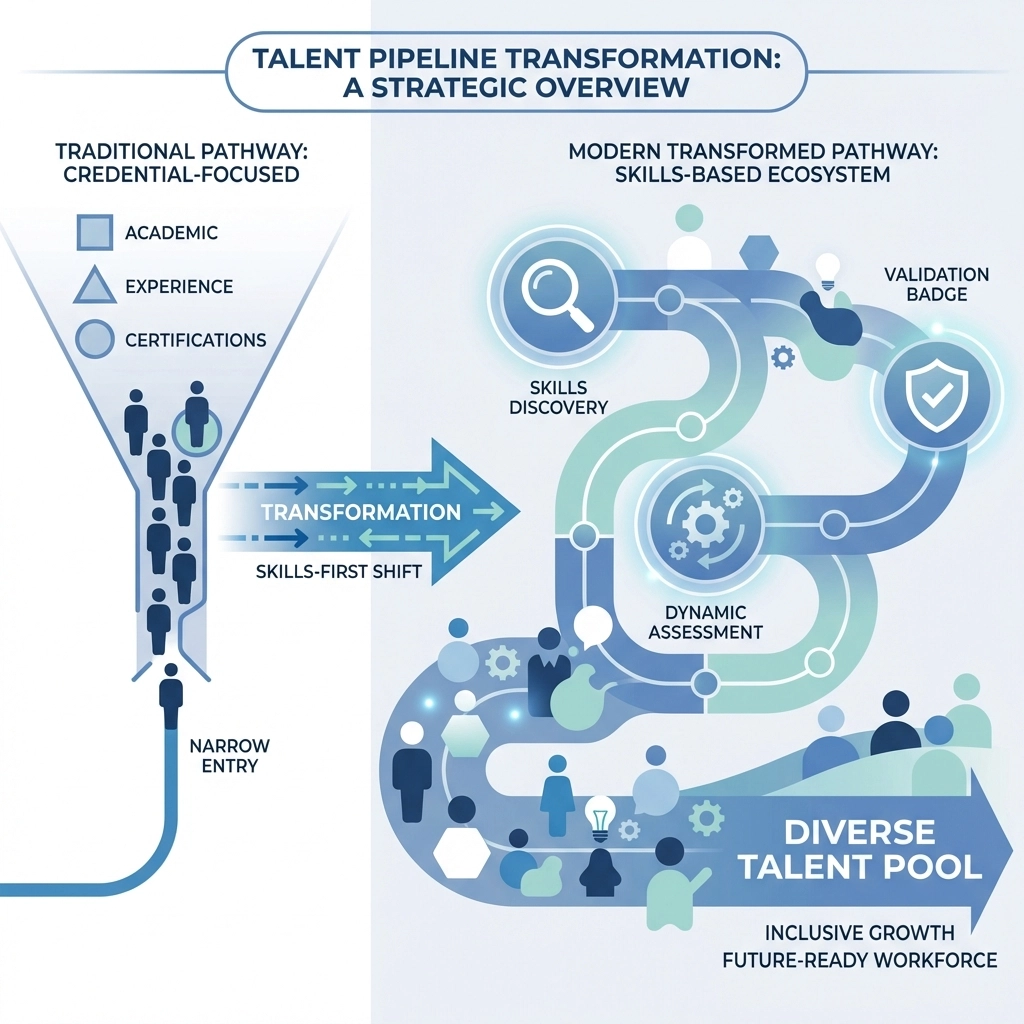
Traditional hiring practices also perpetuate a hidden cost. When you filter candidates primarily by educational credentials, you're systematically excluding:
Career changers with transferable skills
Self-taught professionals with proven track records
Candidates from non-traditional backgrounds who couldn't access higher education
Experienced workers whose skills far exceed their formal qualifications
Here's a stat that should make every executive pause: around 30% of college graduates regret their degrees, primarily due to financial strain. That regret often correlates with degrees that didn't translate into the practical skills employers actually need.
The result? A talent pool artificially constrained by credentials that don't predict job success.
Where Degrees Still Matter (And Where They Don't)
Let's be clear: skills-first doesn't mean degrees-never. Context matters.
Degrees remain essential for:
Medicine, law, and engineering: fields where formal education ensures competency, safety, and regulatory compliance
Roles requiring deep foundational knowledge in mathematics, physics, or computer science
Strategic or research-heavy positions where theoretical expertise drives value
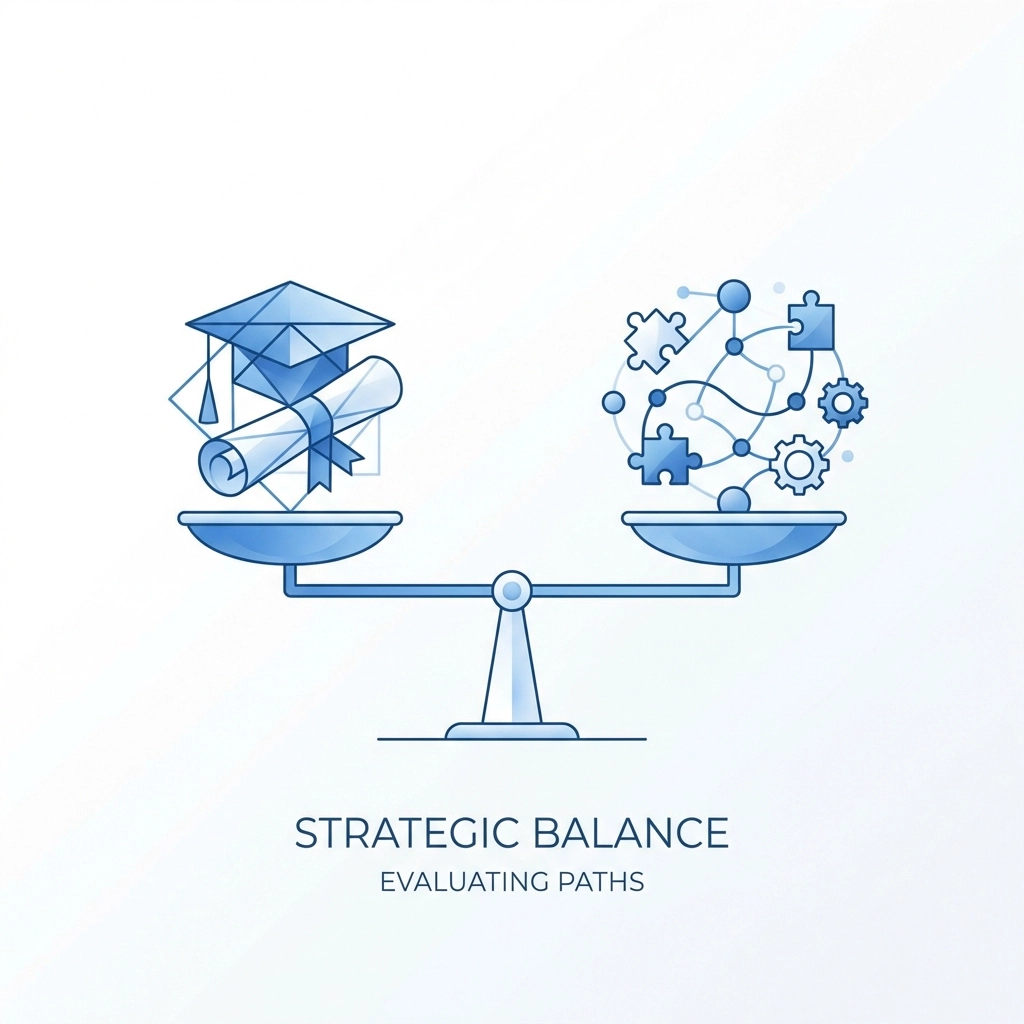
But even in these contexts, degrees function as complementary validation rather than gatekeepers. The shift is from "show me your diploma" to "show me what you can do."
For the vast majority of roles in your organization: especially in operations, sales, marketing, project management, and people leadership: demonstrated ability trumps educational pedigree every time.
The Strategic Framework: Building a Skills-First Talent Development System
Transitioning to skills-first talent development isn't just about changing your job postings. It requires a fundamental redesign of how you identify, evaluate, develop, and promote talent. Here's your actionable framework:
Step 1: Audit Your Current Role Requirements
Open your job descriptions and identify every degree requirement. For each one, ask: Does this credential actually predict success in this role, or is it a legacy assumption?
Redesign each position around 5–8 core skills that actually drive performance. Be specific. "Communication skills" is too vague. "Ability to present complex financial data to non-technical stakeholders" tells you exactly what to assess.
Step 2: Implement Skills-Based Assessments
Replace resume screening with practical evaluations. This could include:
Work sample tests that simulate actual job tasks
Skills assessments tailored to role-specific competencies
Structured interviews focused on demonstrated abilities
Portfolio reviews showing real-world accomplishments
The goal is to evaluate what candidates can do, not what credentials they hold. Organizations making this shift report that skills-based assessments are more predictive of on-the-job success than any other hiring method.
Step 3: Redesign Your Internal Mobility Pathways
Skills-first talent development isn't just about hiring: it's about growing your existing workforce. Create clear competency frameworks that show employees exactly which skills they need to develop for advancement.
Map career pathways based on skill acquisition rather than tenure or title. This approach unlocks internal mobility, reduces turnover, and builds the institutional knowledge that drives competitive advantage.
For a deeper dive into connecting talent development with business outcomes, explore our strategic people alignment framework.
Step 4: Invest in Continuous Learning Infrastructure
The half-life of skills is shrinking. Technical skills that were cutting-edge five years ago are now table stakes: or obsolete. Your talent development strategy must include robust upskilling and reskilling programs.
Build learning pathways that:
Address emerging skill gaps before they become critical
Offer flexible, modular training that fits into workflow
Recognize and credential new competencies internally
Connect skill development directly to career advancement
Step 5: Measure What Matters
Track the metrics that actually indicate talent development success:
Time-to-productivity for new hires
Internal promotion rates
Skill gap closure over time
Retention rates among high performers
Quality of hire indicators (performance ratings, goal achievement)
These metrics tell you whether your skills-first approach is working. Traditional metrics like "percentage of employees with degrees" are vanity numbers that don't correlate with business results.
The Diversity Dividend of Skills-First Hiring
Here's an outcome that often gets overlooked: skills-based hiring dramatically expands access to opportunity. Around three-quarters of Black, Asian, and Arab employees surveyed have gained new employment opportunities through skills-based assessments.
When you remove degree requirements as gatekeepers, you're not lowering the bar: you're widening the door. You gain access to talent pools that your competitors are still ignoring. This isn't just good ethics; it's smart strategy.
Organizations that embrace skills-first talent development report more diverse teams, broader perspectives in problem-solving, and stronger connections to the communities they serve.
The Bottom Line: Adapt or Get Left Behind
The shift to skills-first talent development isn't coming: it's already here. Organizations clinging to degree requirements as their primary filter are missing out on top talent, paying more for worse hiring outcomes, and falling behind competitors who've already made the transition.
Your action items:
Audit your job descriptions this week and identify unnecessary degree requirements
Pilot skills-based assessments for your next three open roles
Build competency frameworks that map skills to career advancement
Invest in continuous learning infrastructure for your existing workforce
Track skills-focused metrics that actually predict business outcomes
The question isn't whether degrees are dead. They're not. The question is whether you're willing to evolve your talent strategy to match what actually works in 2026.
Ready to transform your talent development approach? At Optimum Human Centered Solutions, we help organizations build skills-first frameworks that attract top talent, develop internal capabilities, and drive measurable business results. Let's chat about what a human-centered skills strategy could look like for your organization.
Comments